
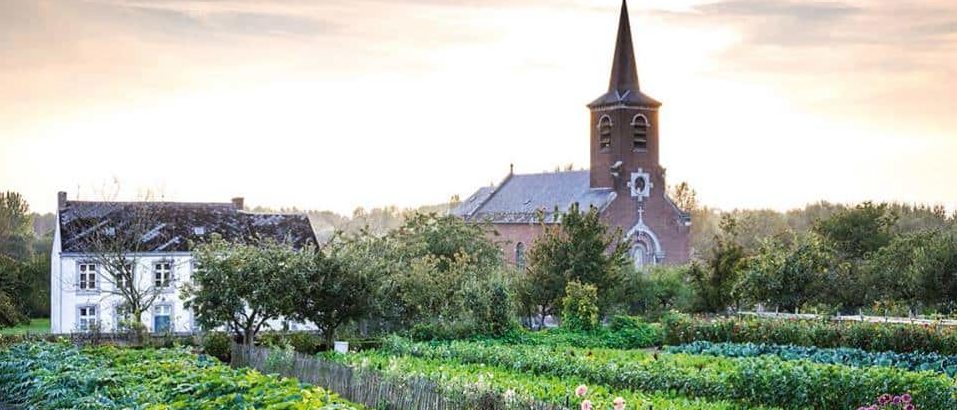
The Hex vegetable garden is sometimes, quite rightly, described as the most beautiful vegetable garden in the country. Its historic setting and superb location play a part in this. The garden lies on a gently sloping plot bathed in sunshine and is protected from the cold wind by a high wall to the north-east. Since its creation some 250 years ago, it has always been under cultivation. It boasts a unique quality of sandy loam soil. The combination of fruit, vegetables and flowers makes it a feast for the eyes.
Background
The original layout of the vegetable garden was cross-shaped, following the model of ‘Le potager du roi’ in Versailles. The plots were divided by box hedges in artistic garlands and figures. This design was already replaced at the beginning of the 19th century by a more rational division of the surface area.
At the beginning of the 20th century, the kitchen garden was modified once again – this time to suit the needs of the tractor. This meant that the narrow paths in between disappeared, while the remaining paths were widened to 2 metres. The orangery at the bottom of the monumental stairs, which had fallen into disrepair in the meantime, was exchanged for a majestic basin, surrounded by roses, and space was made for a tennis court on the east side of the kitchen garden.
Nevertheless, it is fair to say that, despite these interventions, the Hex vegetable garden has retained its authenticity over the centuries and is one of the few examples that has been in continuous use for almost 250 years.
FRUIT
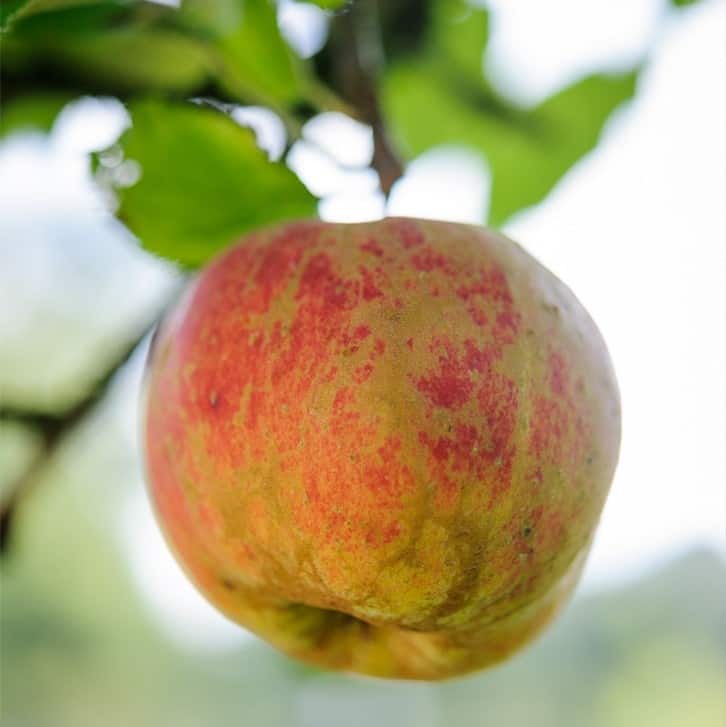
Castle Hex is a guardian of tradition when it comes to growing fruit and vegetables. In addition to the abundance of fruit provided each year by the surrounding standard-tree orchards, the kitchen garden in particular offers a selection of historic table fruits. Against the south-facing wall stand espaliers and ‘Nijntjes’ that are a hundred years old. Apples such as Cox Reinette or Courte-pendu and pears such as Doyonnée or Comtesse de Paris remain among the most popular. In the vegetable garden, a number of traditional crops are cultivated with great care: sea kale, asparagus, cardoons, chicory, blanched dandelion, … In total, more than forty different crops are grown in the vegetable garden each year.
Seasonal vegetables
The castle at Hex has a long history of self-sufficiency. The fine vegetables for the castle kitchen have been grown on site for generations. In the large historic vegetable garden, one crop follows another, ensuring a fresh supply every day of the year. Some vegetables are stored in the vegetable cellar, where they retain their freshness, flavour and nutritional value exceptionally well.
Working with seasonal vegetables has great health benefits and the taste of freshly picked food from the garden is incomparable.
THE STORAGE CELLARS
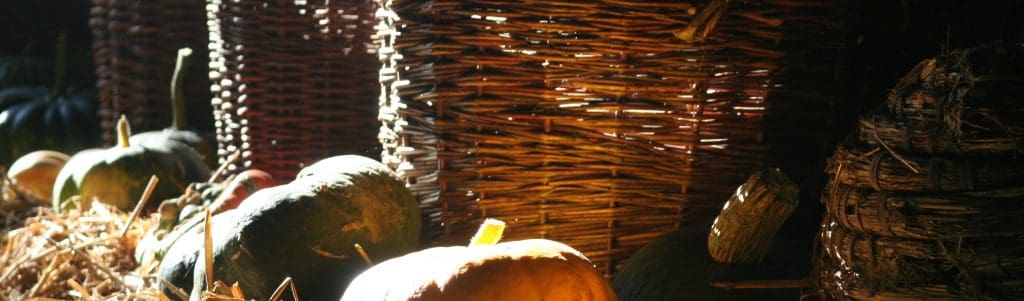
In days gone by, every castle and every abbey had a vegetable cellar. The vaulted vegetable cellar at Hex is probably the last of its kind to have remained in continuous use. In the autumn, the harvest from the vegetable garden is moved to the cellar for storage. Some vegetables are buried with their root balls intact, whilst others are stacked in coarse sand. Cardoon is also blanched in the cellar. Whilst winter sets in outside, the vegetables remain fresh in the storage cellar and are available to the kitchen until late spring.

HEX CULINARY
The Hex vegetable garden is home to a whole range of special seasonal vegetables, each with its own way of being prepared. The accompanying recipes have been refined and adapted over generations to become true home-cooked dishes. Take, for example, the cardoon, which is blanched in the vegetable cellar in autumn so that it can appear on the plate as a delicacy around Christmas, accompanied by rusks and marrow. Then there is sea kale, which is blanched under flower pots in early spring and, gently stewed on the hob, is served with a béarnaise sauce. There is the indispensable winter Brussels chicory, asparagus with mousseline, stuffed artichoke hearts, yellow courgette or potimarron soufflé, home-made sauerkraut in stone jars, and so much more.
FLOWER BORDERS
‘A well-laid table deserves a beautiful bouquet.’ With this in mind, a veritable array of cut flowers found their place in the gardens of Hex: perennials, bulbs, annuals, and flowering trees and shrubs. Combined with the ever-expanding collection of shrub roses, this resulted in a remarkable series of English-style flowerbeds bursting with blooms, all within the sleek framework of a French design.
Greenhouses and nursery garden The freestanding aluminium greenhouse replaces the old glasshouse that used to stand against the southern wall of the kitchen garden. This heated greenhouse is used for sowing vegetables and flowers, as well as for Countess Stéphanie d’Ursel’s large collection of scented Pelargoniums. Behind the greenhouse, a small doorway in the wall leads into the plant nursery.
In large cold frames, spring vegetables are grown here under glass. This walled garden is also called the fig orchard because of the greenhouse located at the rear on the sunny side. This houses the old fig trees of Mediterranean origin, which still bear abundant fruit, often twice a year.
