
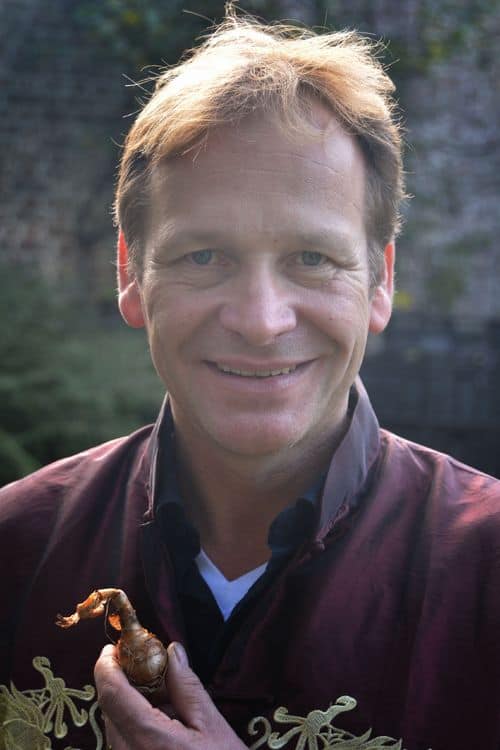
 Garden centre and mail-order company Peter C. Nijssen is a genuine family business. Its history goes back to the mid-nineteen-seventies when founder Peter Nijssen and his wife Annette decided to start out on their own. Until then, he had worked for his father, who was in the flower bulb trade. He travelled a lot, particularly to Sweden, through which he built up an interesting network of growers and other bulb specialists. Since the founder's death in 2005, son Gert-Pieter and wife Ineke have been running the business.
Peter C. Nijssen started growing flowers and plants in several locations, both for the auction and for contract growing. One location was on a main road in Heemstede. Motorists regularly stopped to ask if they could buy a bunch of flowers. A new idea was born. Gert-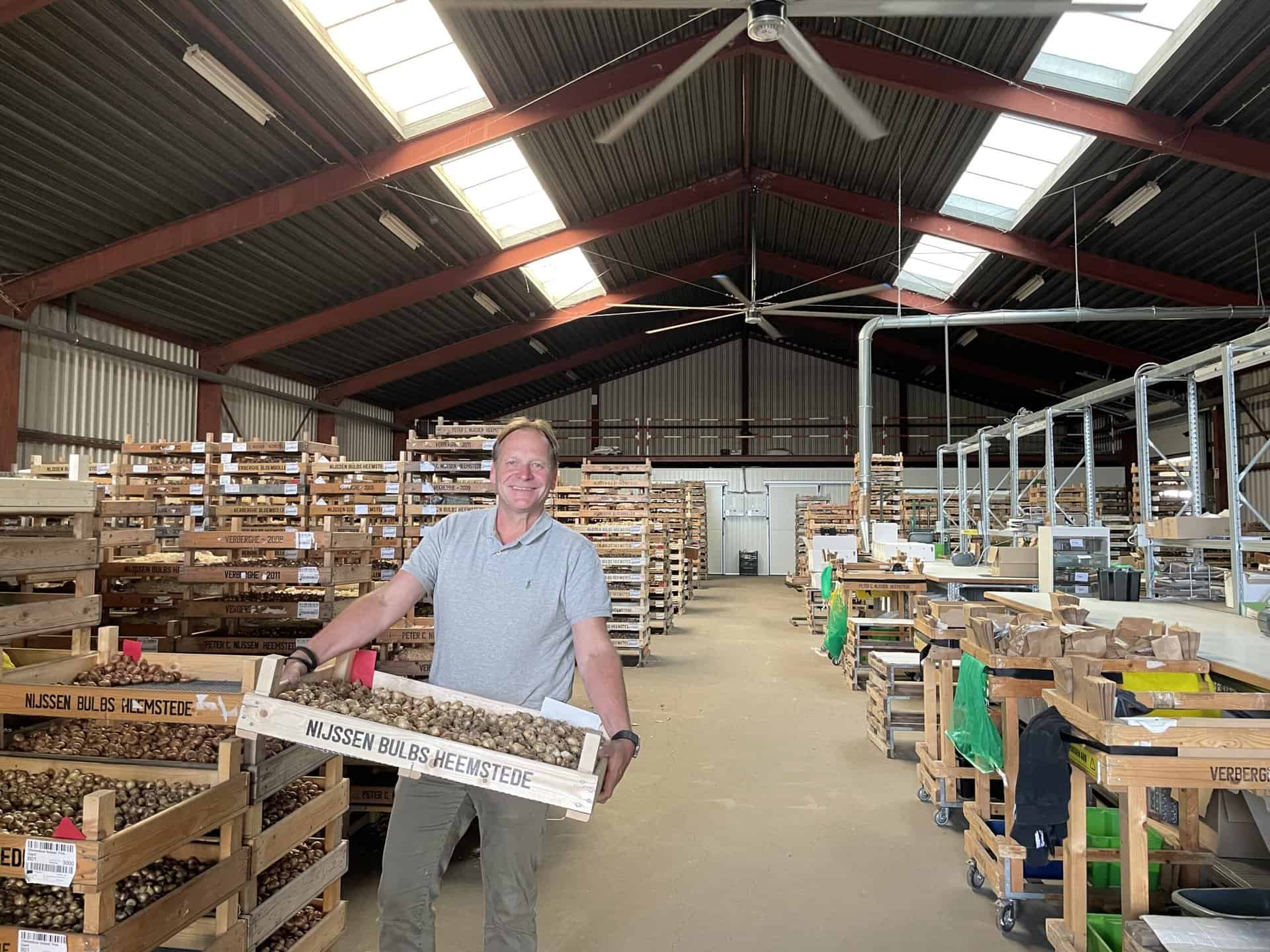 Pieter’s father suggested setting up a retail outlet at the nursery where members of the public could buy cut flowers and potted plants. It proved a success. When the nursery had to make way for housing development in the late 1980s, they found a new home at the current location. However, that plot was too small for a nursery. A specialised garden centre was an attractive alternative. Not long after, the mail-order business was also launched. The mail-order business and the nursery have since been split up, and the latter now operates under the new name NIJSSEN BULBS HEEMSTEDE.
Soon at that time, the passionate bulb grower began a catalogue to make. Simple, in black and white, featuring only drawings. No more than a notebook really. Allium was the main crop on offer, Peter Nijssen's favourite bulbous plant, along with a few other species. So it is not entirely strange that this bulb in the shape of Allium schubertii also adorns the company logo. Within a few years, writer Wim Oudshoorn contributed a foreword. Over the years, the catalogue grew into a useful reference guide.
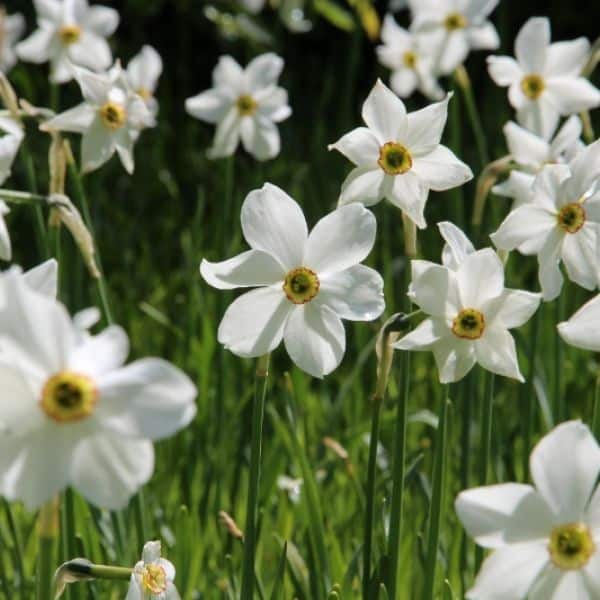 The range includes not only the obvious selection, but also numerous very exclusive and rare species. From Allium to Lilium, from Fritillaria to Tecophilaea. From well-known species like Muscari armeniacum, the grape hyacinth, to the unusual Crocus speciosus ‘Aino’. From the snake's head fritillary to autumn-flowering snowdrops.
Among the gems of the range are the flamboyant-looking Rembrandt and parrot tulips from the Hortus Bulborum, and the very rare cultivars and wild species that are scarcely offered elsewhere. Examples include Tulipa heweri and Tulipa sprengeri. A number of species are grown on a contract basis. Many of the other species come from specialists both at home and abroad. Examples include the daffodils from Carlos van der Veek and Hein Meeuwissen and the exclusive crops from A.M.D. Hoog Authentic Plants. A considerable proportion of the unusual and, above all, little-known species originate from growers in England and France, and even from Latvia and Lithuania, home to a number of true plant hunters and collectors who scour the world for rare bulbous and tuberous plants.
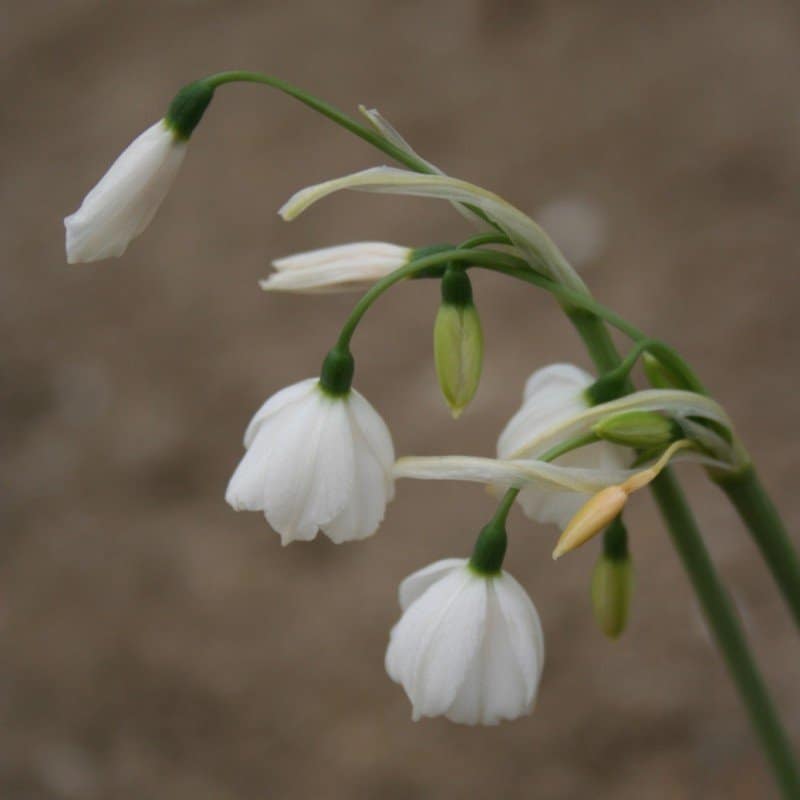 When the temperature rises in spring, butterflies, bumblebees and bees appear as if out of nowhere. They immediately start looking for their first fresh food in a long time: nectar and pollen. They find this in the flowers of bulbous plants. Many spring-flowering bulbs and tubers are therefore the first, welcome source of food for insects. A top 16 of bulb and tuberous plants that cater to this need:
- Eranthis hyemalis
- Galanthus nivalis
- Crocus vernus
- Leucojum vernum
- Chionodoxa sardensis
- Anemone blanda
- Corydalis solida
- Scilla siberica
- Narcissus pseudonarcissus
- Muscari botryoides
- Fritillaria meleagris
- Hyacinthus orientalis
- Ornithogalum nutans
- Tulipa sylvestris
- Allium aflatunense ‘Purple Sensation’
- Allium sphaerocephalon.